The Brief
Paper is something graphic designers take for granted. For this exercise you will explore some of the different ways you can fold paper and make a leaflet. You have been asked to design a leaflet for an organisation, inviting people to volunteer for a task. (you can choose the task for example, school governor, fundraising or building a community garden). In addition to a title the information has been broken down into four chunks each about 120 words. You will also need to leave space for contact and address details. The Organisers are particularly interested in trying to make people want to pick up the leaflet. Be creative and playful in developing a range of ideas. Will the leaflets be put in racks? Will they be handed out or sent in the post? you will need to do some research to see how other people have solved similar problems.
The Leaflet
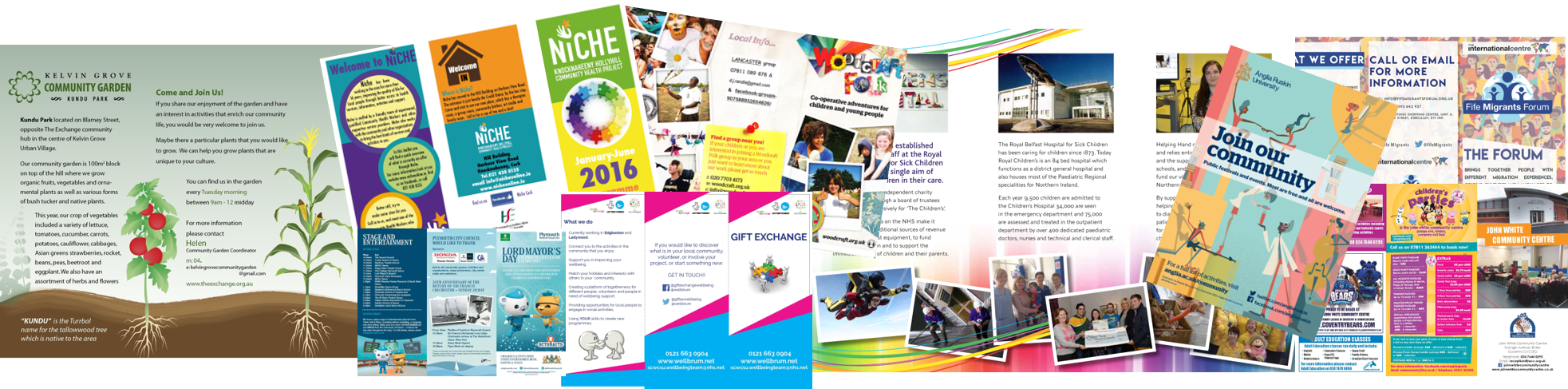
The leaflet is a hugely popular method of marketing. Leaflets, flyers and print are all things we very much take for granted nowadays and it’s hard to envisage a world where books, magazines and newspapers didn’t exist. But had the printing press not been invented, then we would certainly be in a world without print.
As popularity spread, printed texts became a new way to spread information to vast audiences quickly and cheaply. Politicians found that they could garner the public’s interest through printed pamphlets, and where the written word once belonged to the rich and powerful, it had become readily available to everyone. If you had a political, social or religious point to make, flyer printing was a powerful way to advance your cause.
Reference: http://letterboxmedia.com/blog/a-history-of-the-leaflet/
The Benefits of Leaflet Marketing
The leaflet
Leaflet marketing is one of the oldest forms of marketing, but it is also the most tried and tested. It has, in fact, stood the test of time (it’s still going strong despite the technology explosion) and nowadays it can be a great way to merge the old with the new into an effective marketing strategy. You can find out more about how print marketing has survived the digital age in our previous blog post.
Hit the target
The aim of all marketing is that the message reaches your target audience. Leaflets are one of the best mediums for hitting audiences, because they can be delivered right into people’s homes and, if designed well, can grab the attention of everyone in that household. Unlike the television or the computer, a leaflet can’t just be turned off, it’s there in hard copy with your audience and it can’t just be deleted.
Information
People don’t tend to have the time or inclination to read pages and pages of marketing copy. A leaflet has space constraints, which means that to get your message or your offer across, you need to convey your message concisely. If you can use a snappy, stand out header and get your words across in as few words as possible, it’s more likely that your target audience will read the whole advertisement and, if inclined, act on it.
Convenience
Unlike adverts on the screen or on billboards, your readers can take in the information at their own pace and in their own time, instead of having to stop in the street or rewind the advert. Online marketing is more temporary; people often see a message and then forget it. With a physical product like a leaflet, it can stay in their homes and provide a constant reminder of your service.
Engaging
You can use your leaflets to really engage with your audience. You could incorporate a call-to-action on the leaflet, an offer with an end date or a voucher code to get the readers’ attention and encourage them to ring up or make contact with your business to claim the prize. You could feature a coupon, or a contest, or an incentive for them to follow your business on social media – or offer them a discount to use in store.
Reference: http://letterboxmedia.com/blog/a-history-of-the-leaflet/
Different Leaflet Formats
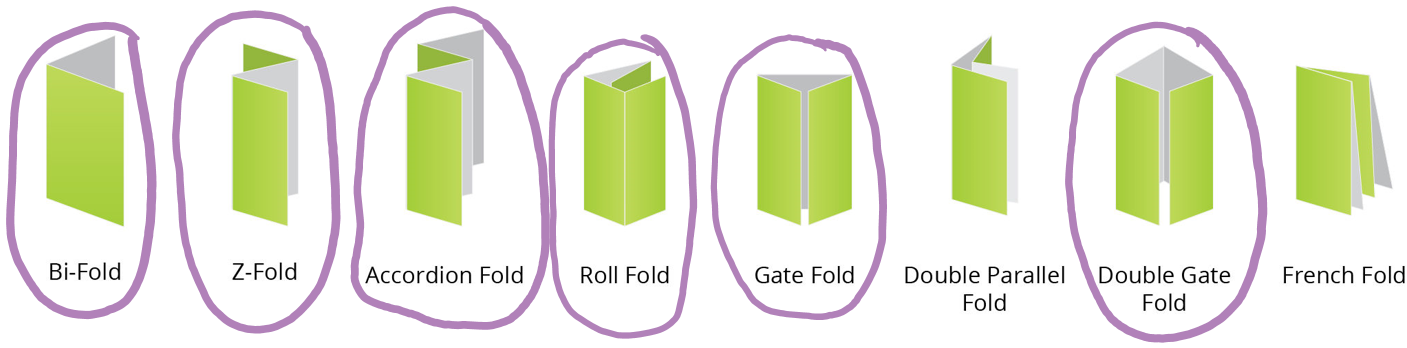
Types of Folds
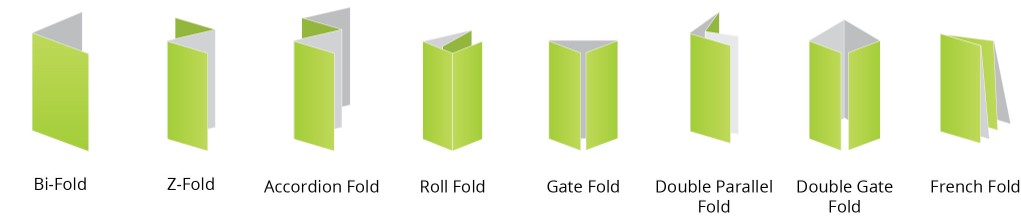
Back and Front Shown
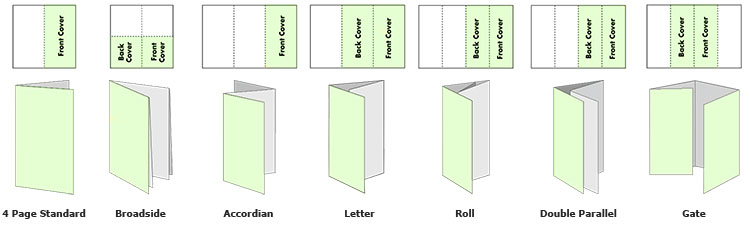
Number of Pages that each fold gives
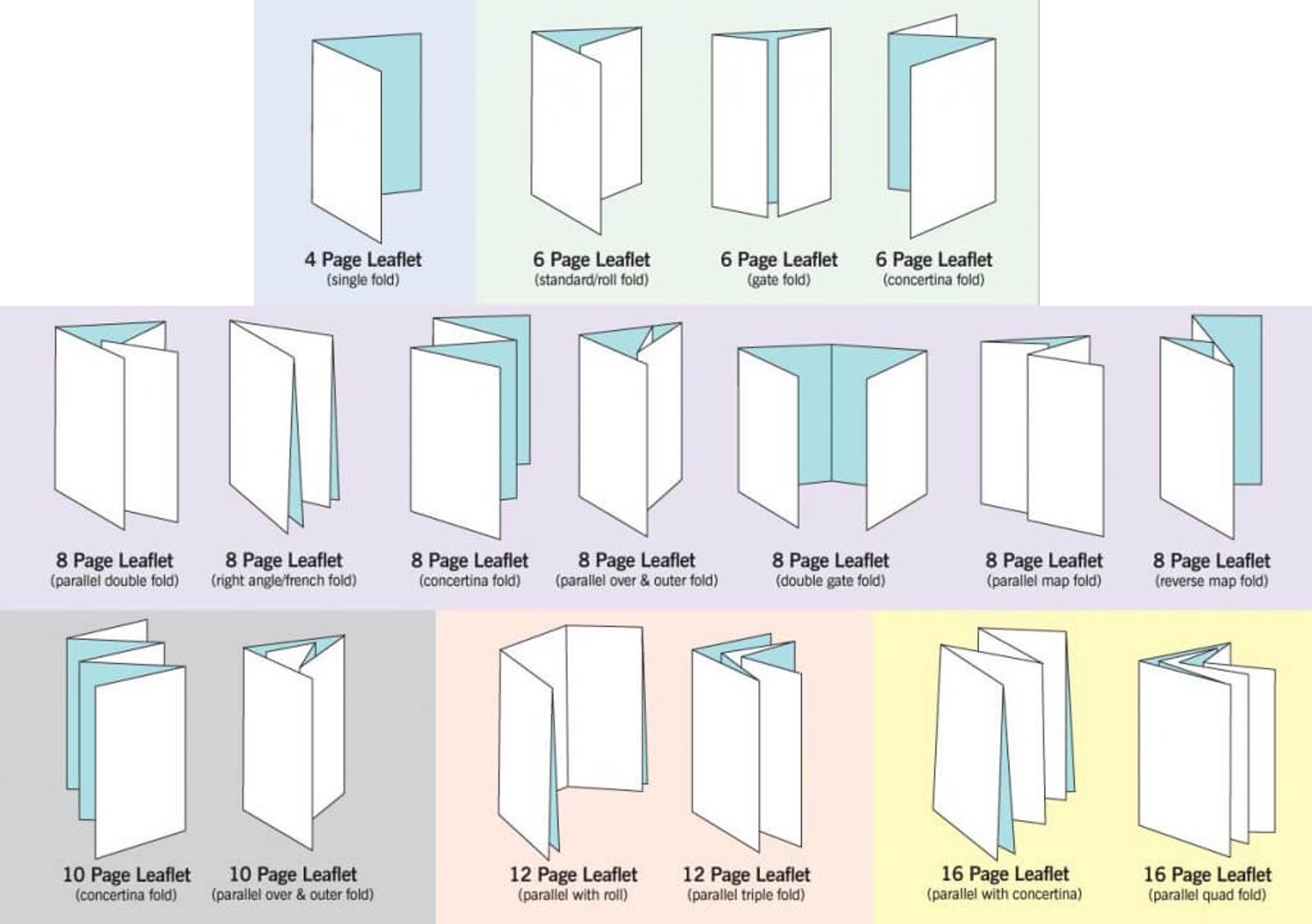
Most Popular Leaflet folds used
Leaflet Distribution
In order to ensure the event gets the best exposure and attendance I would need to take the following points into consideration:
Timing Distribution
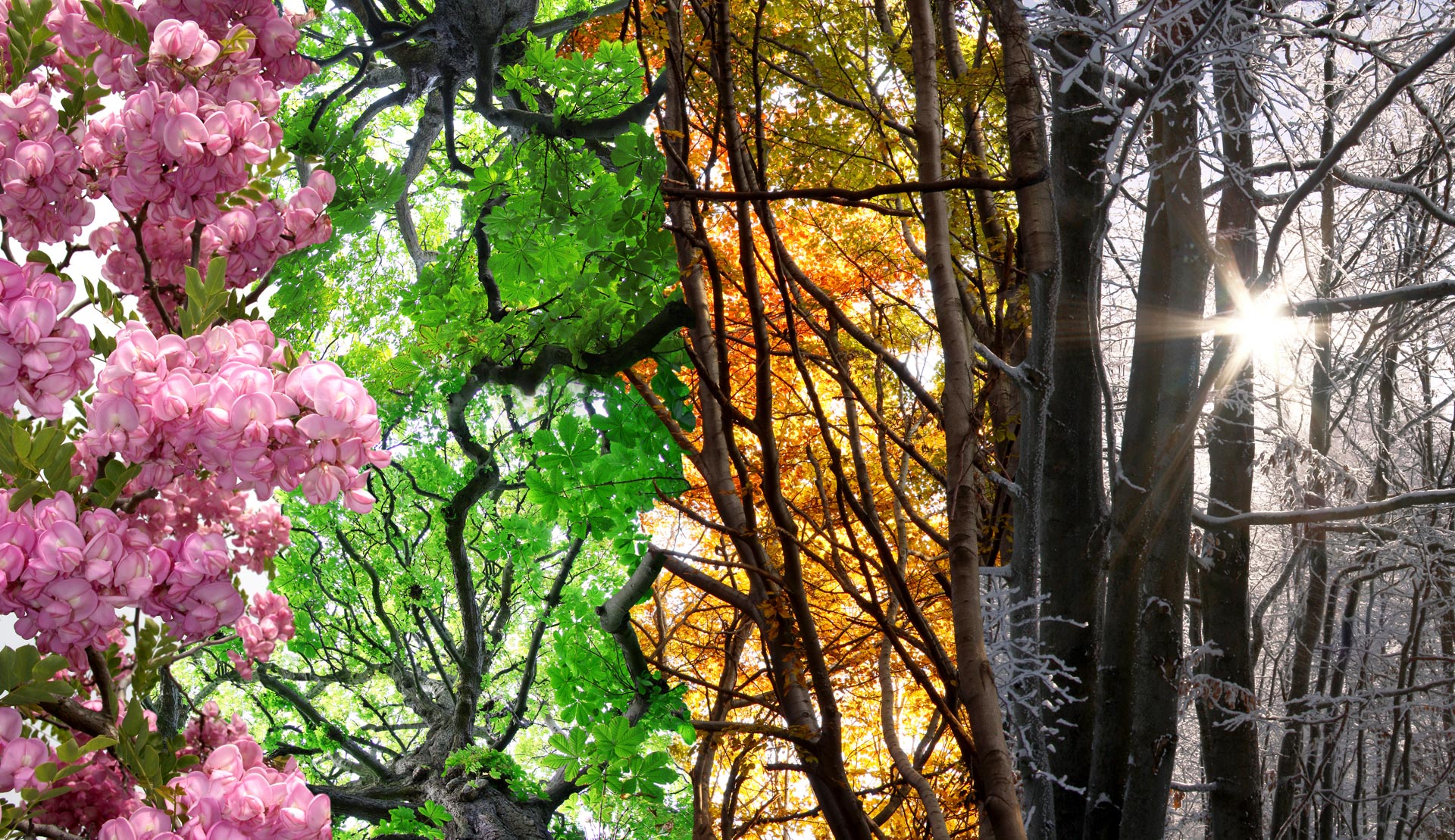
Leaflets are made of paper!! They’re not incredibly durable, and they don’t tend to last very long. If you’re hanging leaflets outside, their lifespan could be substantially shortened by the elements. Before you get out the staple gun, check your local weather forecast for rain, snow, and heavy winds. If harsh weather is on the horizon, you might have to adjust your plans. Take holidays into account as well. Around certain ones, like Halloween and Christmas, your leaflet will be competing with a lot of decorations. Space might not be as readily available as it was before. That doesn’t mean you shouldn’t advertise around a holiday—especially if your message is seasonal or topical—but you should still take note.
Target Audience

Who should read your leaflet? Is it of general interest, or does it address a specialized audience? It’s important to consider this before you start distribution. It’s one thing to hand them out to people. It’s another thing to hand them to the right people. Distributing leaflets to random strangers who pass you on the street might not be as effective as targeting a specific audience. In fact, in many cases, you might as well be putting your leaflets in the trash, in saying this putting together a smart distribution plan is key!
Leaflet Content
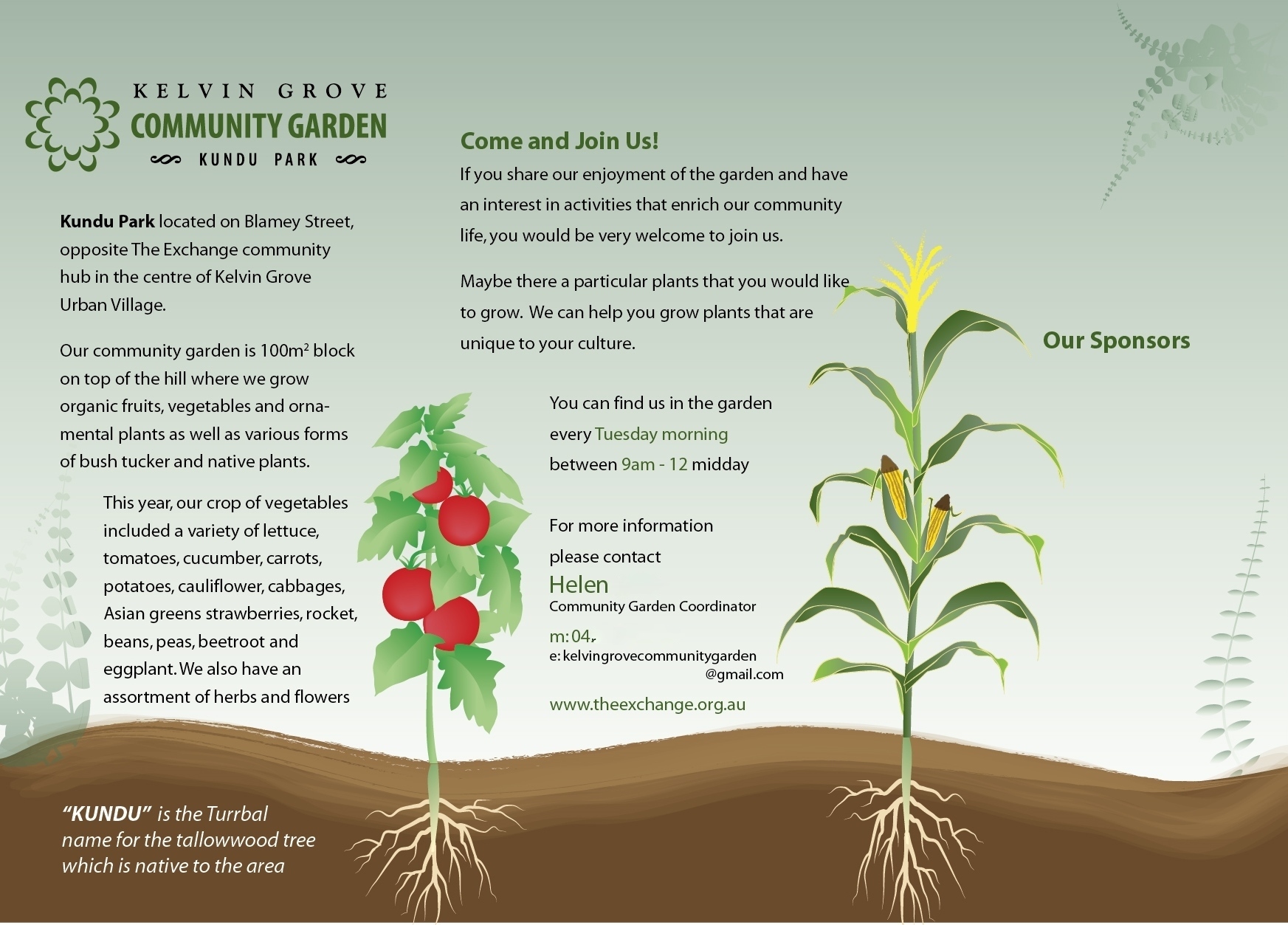
Keep your leaflets small and simple. Smaller leaflets cost less and are less likely to be discarded. Give your audience the information they need without excess they won’t read. The larger the leaflet, the harder it will be for you to distribute. Stick to powerful words in simple sentences.
Leaflet Distribution Options
Typically, there are six different methods of flyer and leaflet distribution.
Option One:
Your leaflet can be handed out in person (hand to hand distribution) or delivered through the letterboxes of houses and flats in your targeted neighborhoods.

Option Two:
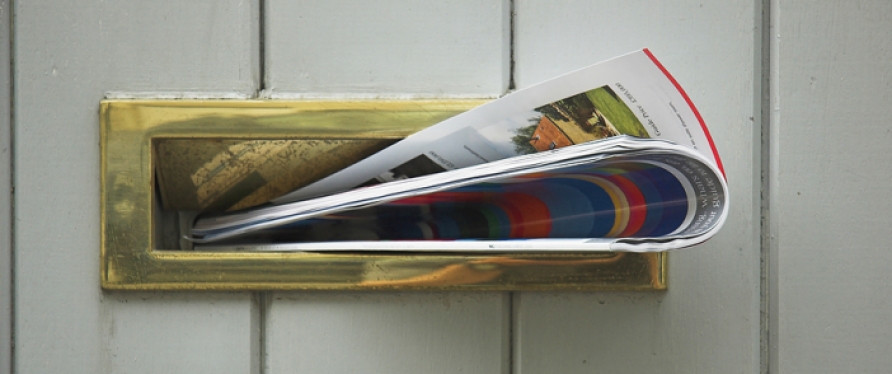
Letterbox distribution, also known as a door-drop, is how most businesses and organisations prefer to distribute their flyers and leaflets, especially local restaurants and takeaways, hair salons, gyms, estate agents, charities and political parties.
Option Three & Four:
The leaflet is either on its own (often referred to as solo distribution), inserted inside a magazine or newspaper, or delivered with a group of other leaflets from non-competing businesses (generally known as multi drop distribution). This is a cheaper option. However, this has the disadvantage of lessening the initial effectiveness of your flyer or leaflet, as it will be battling against the rest for your recipient’s attention.
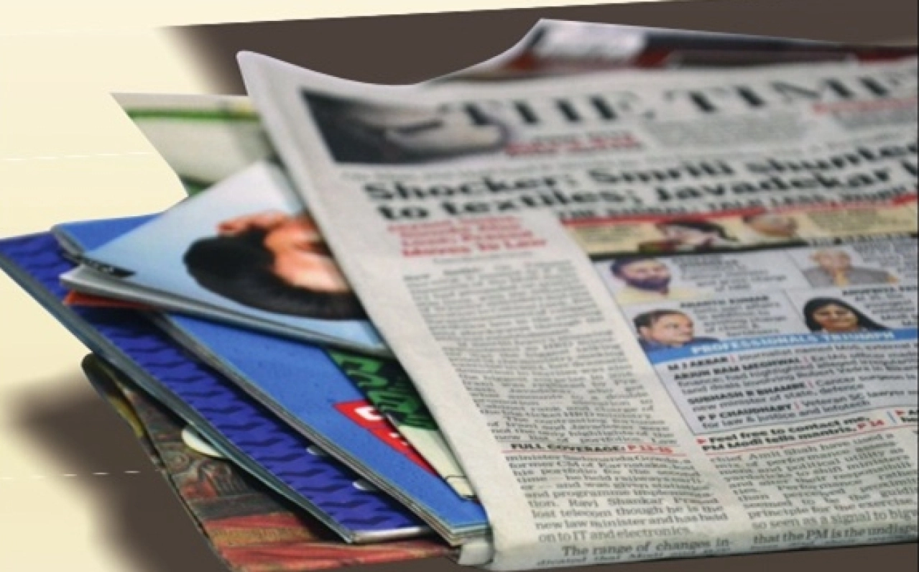
Option Five:
Similar to this, you can have business to business distribution, whereby your leaflets will be distributed to suitable businesses rather than homes in your designated areas. Another form of business to business distribution is where a business has a display or stand situated on their premises that holds flyers and leaflets for their customers and passers-by to pick up.
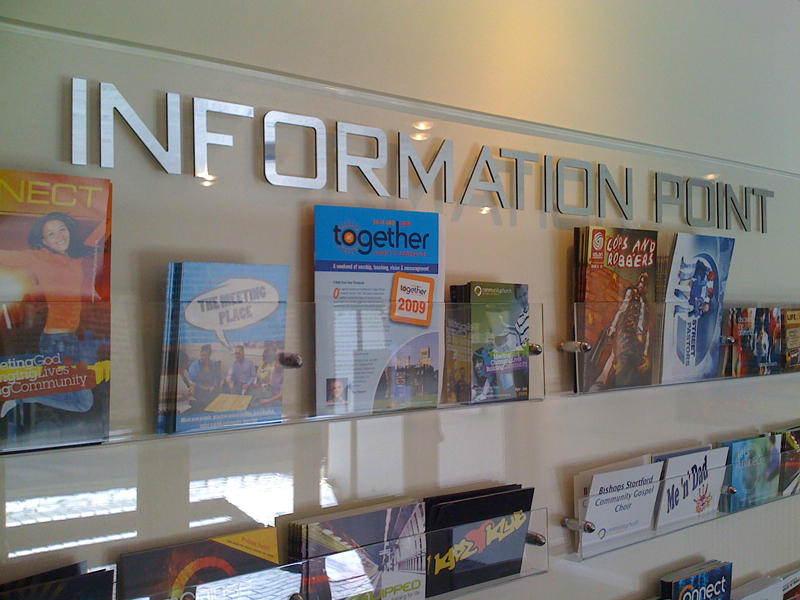
Option Six:
The sixth, and most expensive, option is to distribute your flyers or leaflets by direct mail. This is the best method of distribution if you would like to include any promotional merchandise with your flyer, or want to target your own mailing list of customers or volunteers.
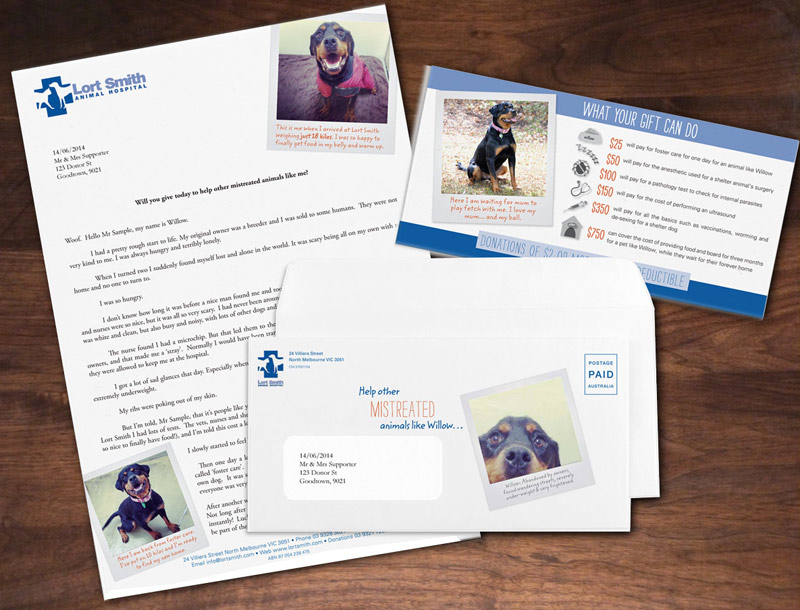
Reference: https://promotional-gifts.com/how-to-distribute-your-flyers-and-leaflets/
Other Options:
- leaving the leaflets at the checkout points at the local stores
- Putting the leaflets on peoples windscreens in car parks
- Giving the leaflets to the local schools so they can send them home with the children
Planning
The Idea:
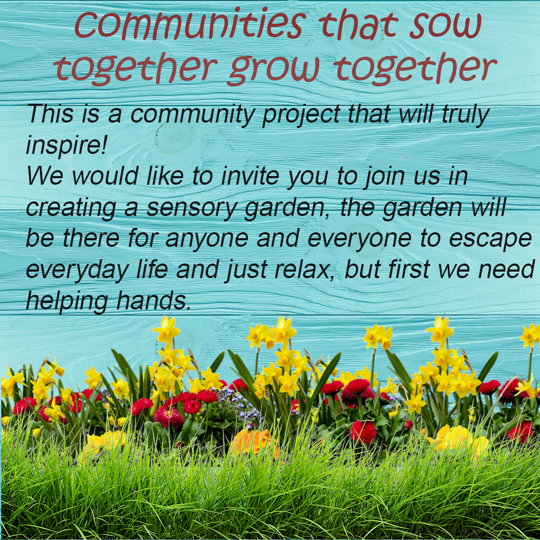
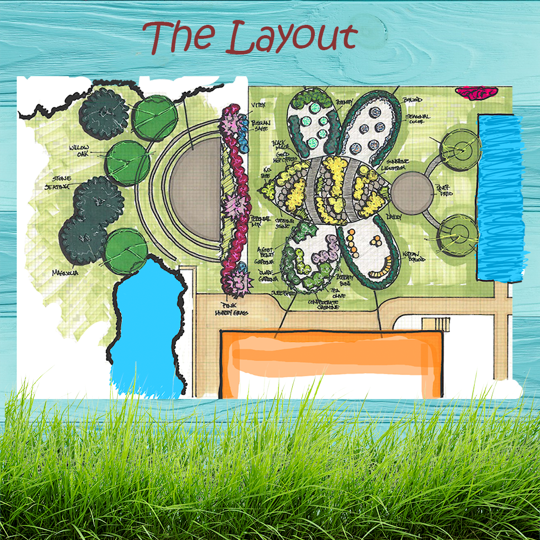
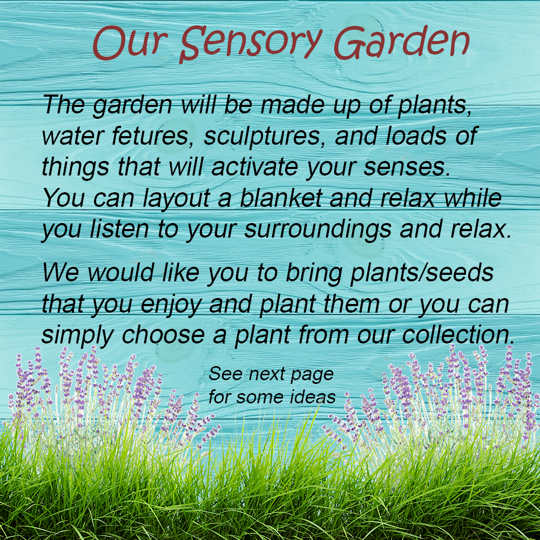
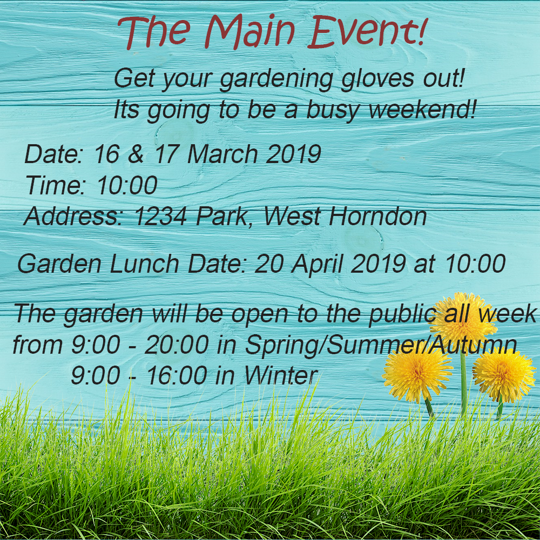
- I have chosen to design a leaflet inviting people to a community garden project.
- The Garden will be a sensory peace garden.
- The event will be targeting the surrounding community members and schools.
- The leaflets will be distributed via door to door and hand to hand outside the local schools and shopping centers.
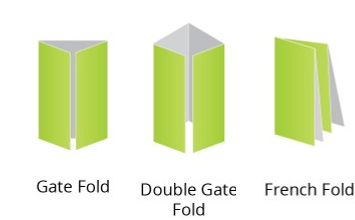
Leaflet Format Options:
Final Outcome
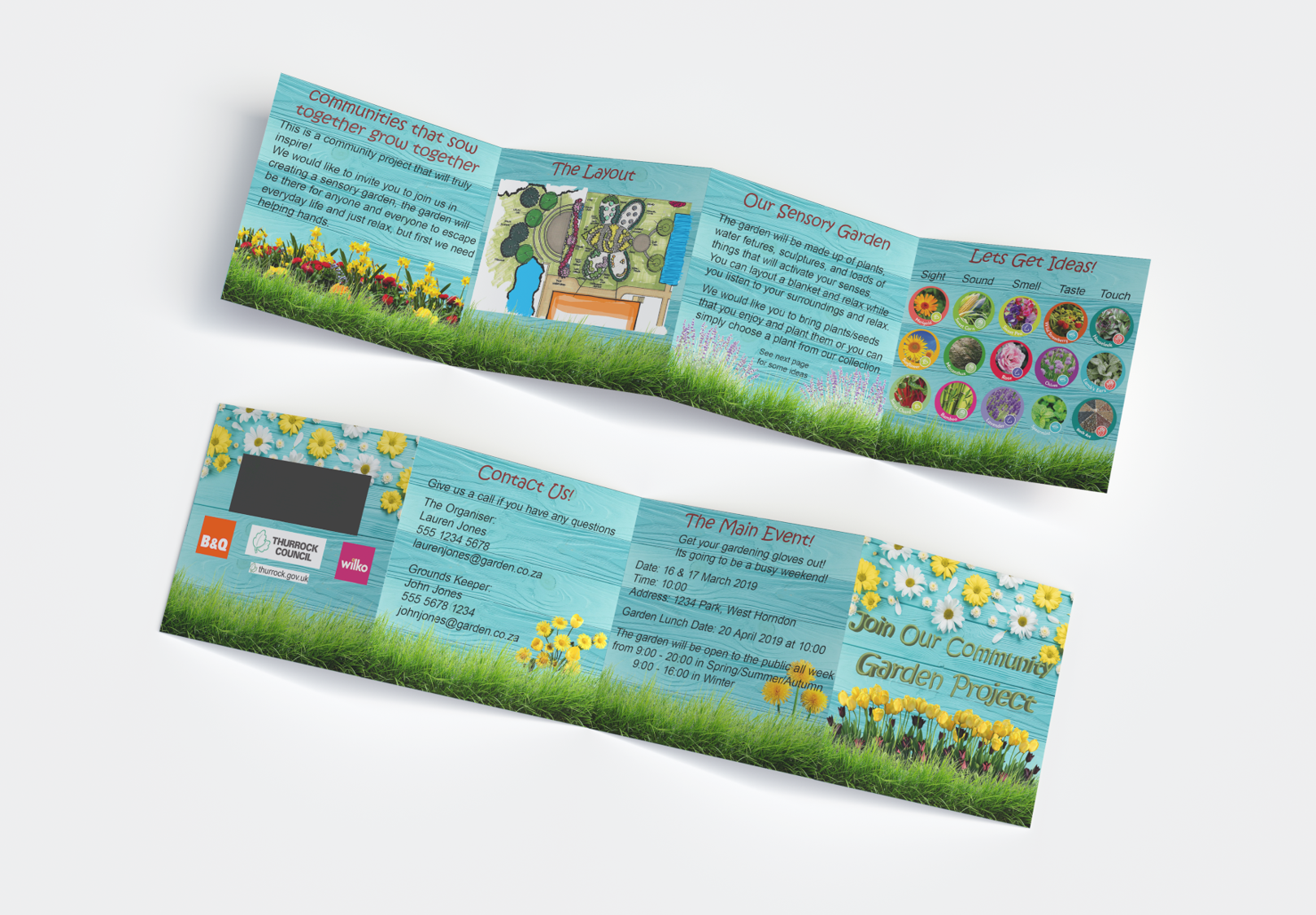
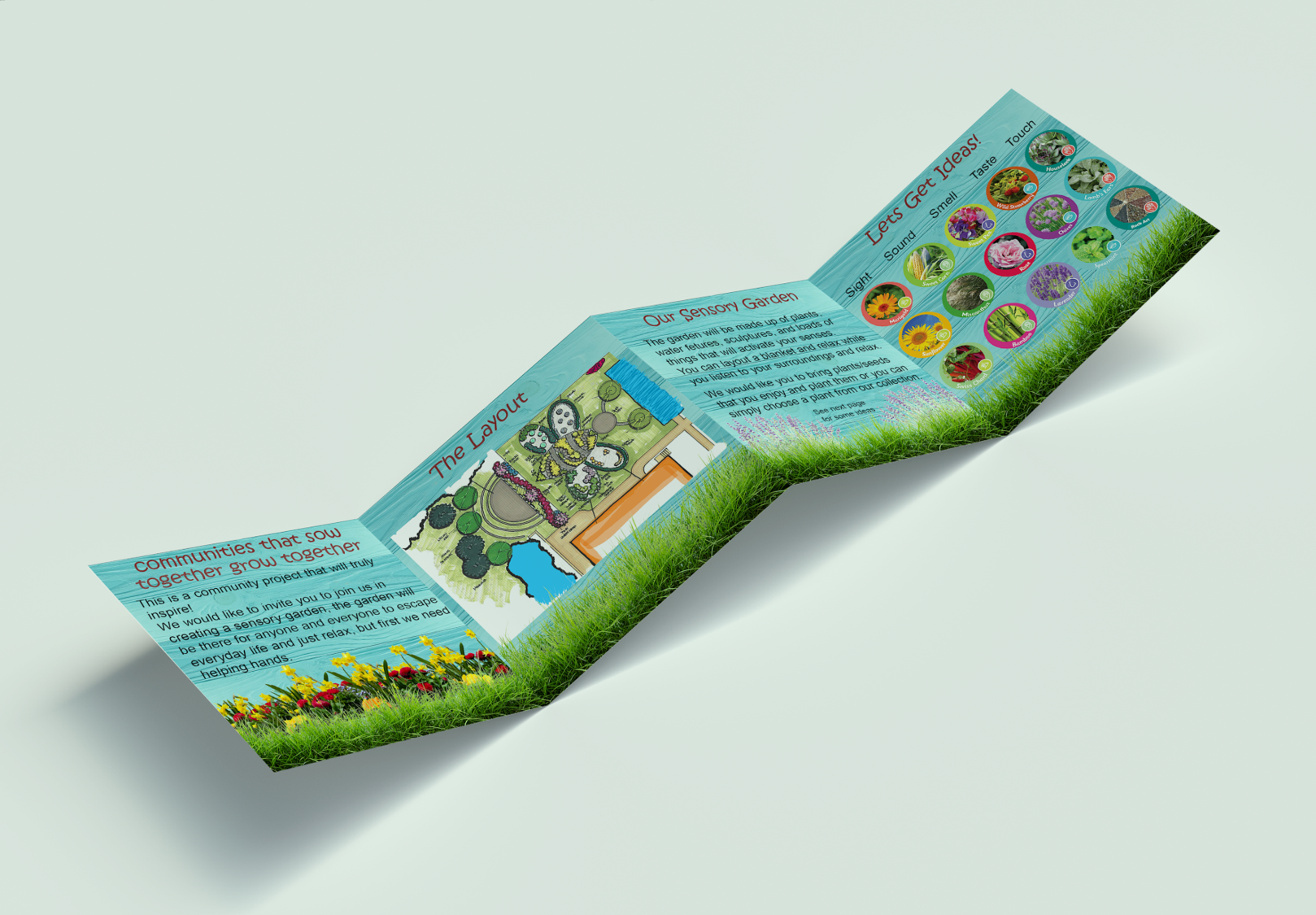
I had my chosen leaflet formats but I went in a complete opposite direction, the brief stated that the leaflet had to be A4 or bigger but what about smaller?
I decided to go with a smaller leaflet because it is keeping up with busy parents and passersby its small enough to stick into your pocket or handbag. The small colorful leaflet is more appealing to the public and now days people want leaflets that are too the point and if they want more information they will look it up on Facebook or Google.
I have also made a space for a magnet to be stuck onto the back of the leaflet so that the leaflet can be put up onto their fridge, this will ensure it does not get forgotten and the family will be able to discuss it, it will also allow visitors to see leaflet making it a continuous talking point.
Final Leaflet



 Diane's Blog