Assignment 1:
Introducing yourself!
Brief: Design at least 3 postcards that say something about who you are, your interests and your interests in Graphic Design and your wider culture.
Before I start any project or assignment I like to know absolutely everything there is to know about what is asked in the brief and the subject that I am working with, it helps me open my mind up to more creative ideas and I feel more comfortable working on something that understand and fully appreciate.
Research:
“Postcard: A post card is a piece of thin card, often with a picture on one side, which you can write on and send to people without using an envelope” [Collins Dictionary]
“Postcards became a primary way to send friends and family a snapshot of one’s surroundings while traveling, or even photographs of one’s home or family during the Yuletide”
“The Broad subject range of a postcard comes as a result of the social use the cards were designed for and it remains the most popular form of souvenir for travelers as well as an economical means of advertising a business product or service”
History:
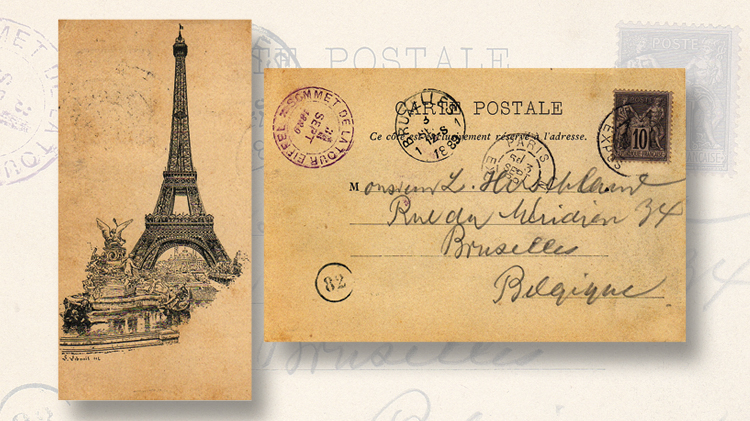
The fashion for sending picture postcards cards as souvenirs was fuelled by the Paris Exhibition of 1889. Sending a postcard from the post office within the newly built Eiffel Tower (then the world’s tallest building) became quite the thing to do. The oldest postmark stamped on a postcard showing the Eiffel Tower is 21 August, 1889.
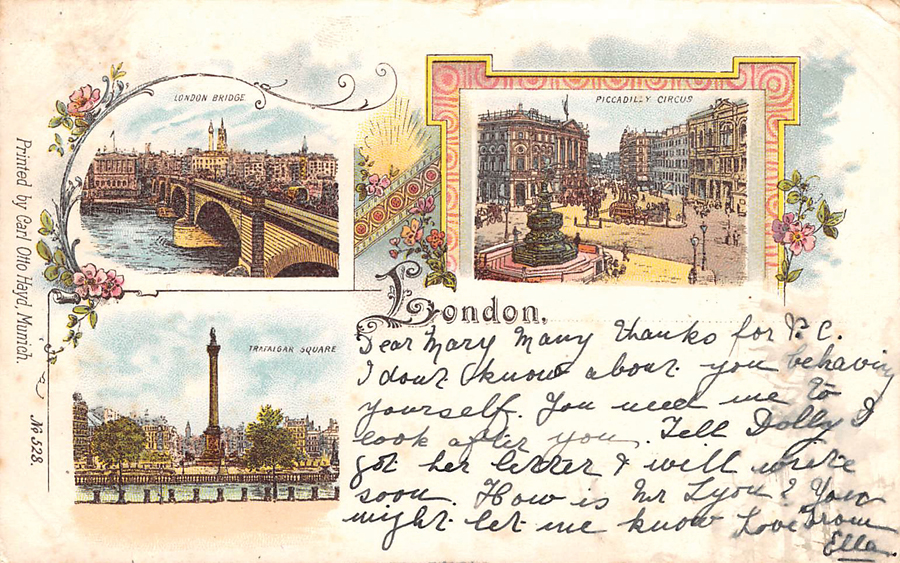
In 1894, the Royal Mail allowed British publishers to manufacture and distribute picture postcards, which could be sent through the post without envelopes.
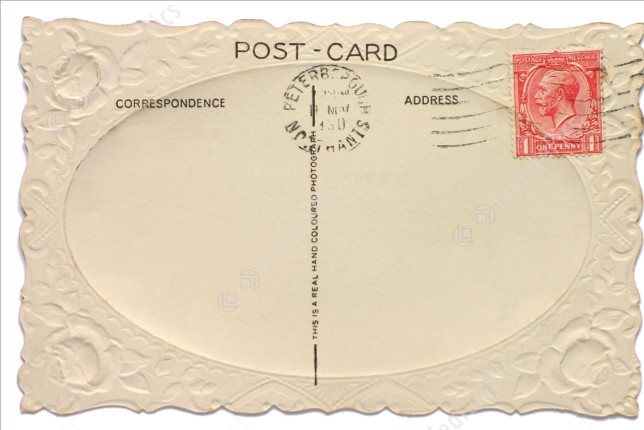
Then in 1902, Britain became the first country to divide the back of the postcard, allowing the address and message to be written on the back with a full-sized picture on the front. Other countries followed suit, including the US in 1907.
The combination of printing technology, cheap postage and efficiency of the postal system led to a massive increase in the sending of picture postcards. They were a quick and low-cost means of communication before the telephone was widely used. Postcards were the prime social networking tool of its days with up to six post deliveries a day in major cities – sometimes as many as 10 in London, people knew they would be received within hours. As such around six billion cards were posted in the period: you could even send postcards from trains.
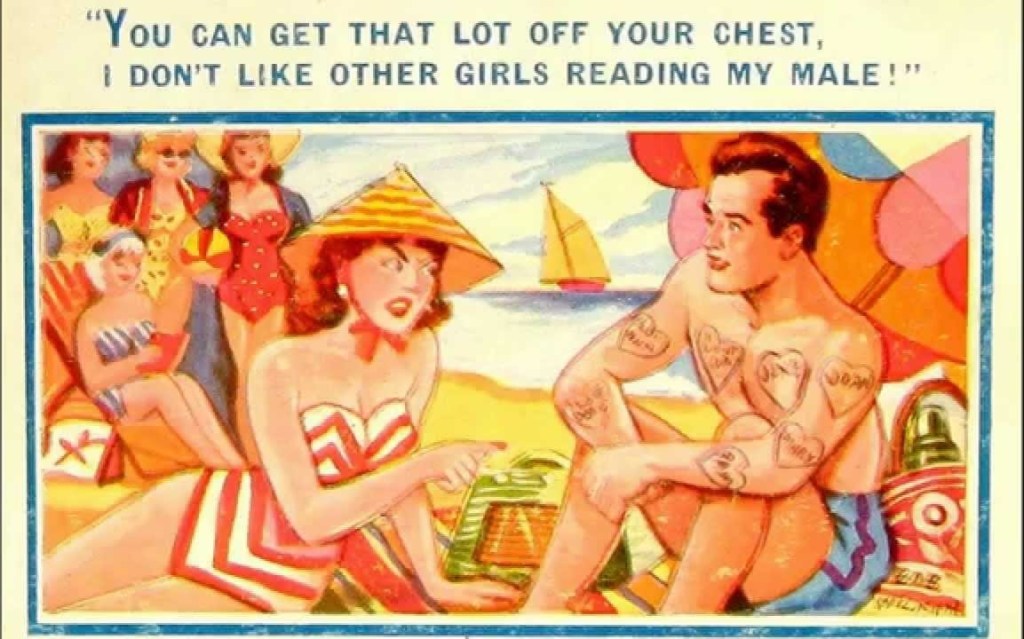
The “golden age” of picture postcards was from 1902–1918. That was when most were produced, collected and sent. The absolute peak year was 1907. From 1902–1918 you see most areas of human life covered on postcards but after that it was mainly comic cards and touristy views.
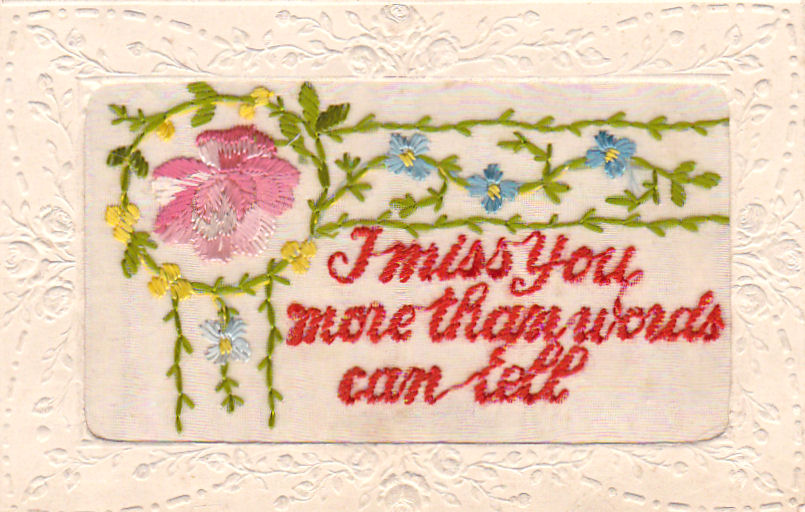
Many poignant correspondences were sent between soldiers and their lovers during WWI. Embroidered silk postcards were a particularly popular memento to send from the front line. Postcards provide unique insights into social history they are endlessly fascinating and multi-faceted: picture, artist, photographer, stamp, postmark, message. All of human life is there. If you’re interested in anything, you’ll find it documented on postcards.
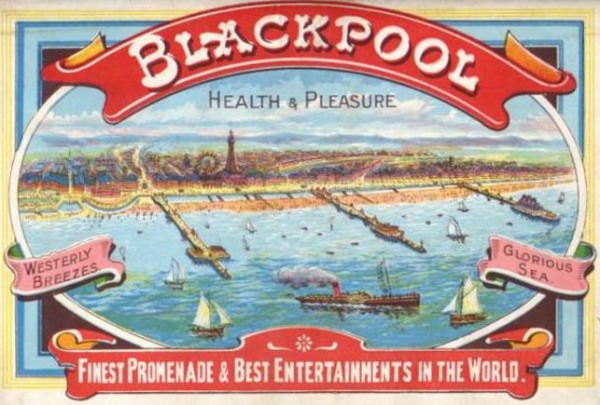
In 1918, the half-penny postage rose to a penny which led to a decline in the popularity of sending postcards so frequently. But the holiday postcard came into its own as the British seaside became an increasingly popular tourist destination after the war. Sending a postcard to those back home became an essential part of holiday tradition the earliest tourist postcards were sent in the mid-1890’s from the Grand Tour of Europe undertaken by wealthy Brits but as more people went on holiday in the 20th century, more cards were sent home. The great British seaside holiday reached its height in the 1950’s and 1960’s when Brits flocked to seaside towns and resorts around the coast.
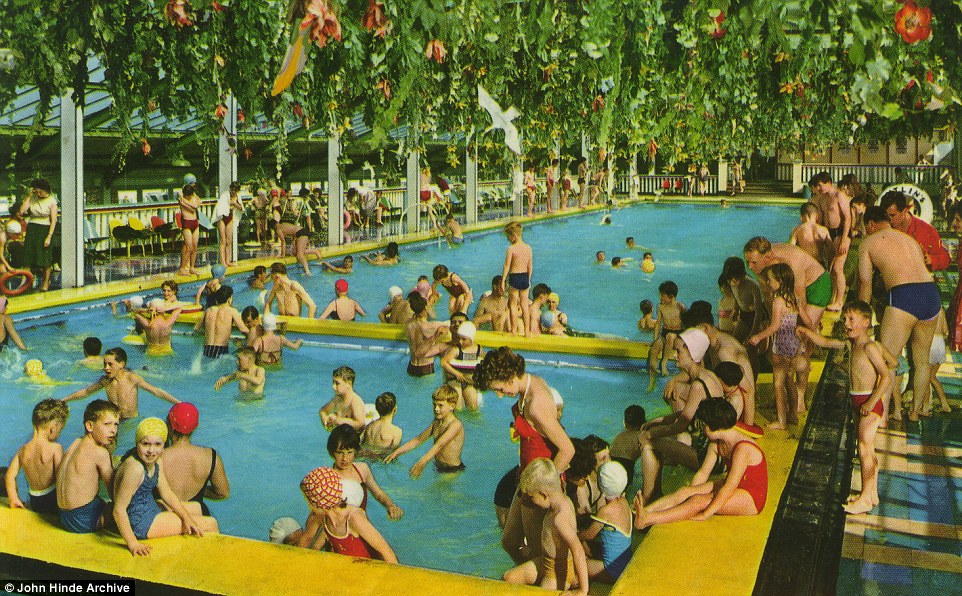
Then the 60’s and 70’s brought in the era of glorious technicolour to the postcard stands, the art of postcard photography with its vivid colours and depiction of everyday life in Britain’s holiday resorts
“The postcard is art, social history and real life as it was lived, they are a snapshot of the past”
References: *www.loveexploring.com – wish you were here: the surprisingly fascinating history of postcards
*The Art History Archive – The History of Postcards

 Diane's Blog
Extremely interesting history of the humble post card. Would never have thought of researching it on my own.
LikeLike